

Led by Experts
Worming Wisley is led by Melanie Ibbott whose lifelong experience with horses is complimented by many years working in the pharmaceutical industry, with a particular focus on the development of drug resistance.
We are passionate about helping horse, pet and livestock owners to use anthelmintics (worming medicines) effectively and responsibly, ensuring treatments remain effective, cost-efficient, and kind to the environment.
Above all, your animals’ health and welfare remain at the heart of everything we do.
From testing to results to advice and treatment – we are with you every step of the way.
We pride ourselves on our personal, bespoke service.

Because smart worming starts with smart information
Worming should never be based on guesswork or routine
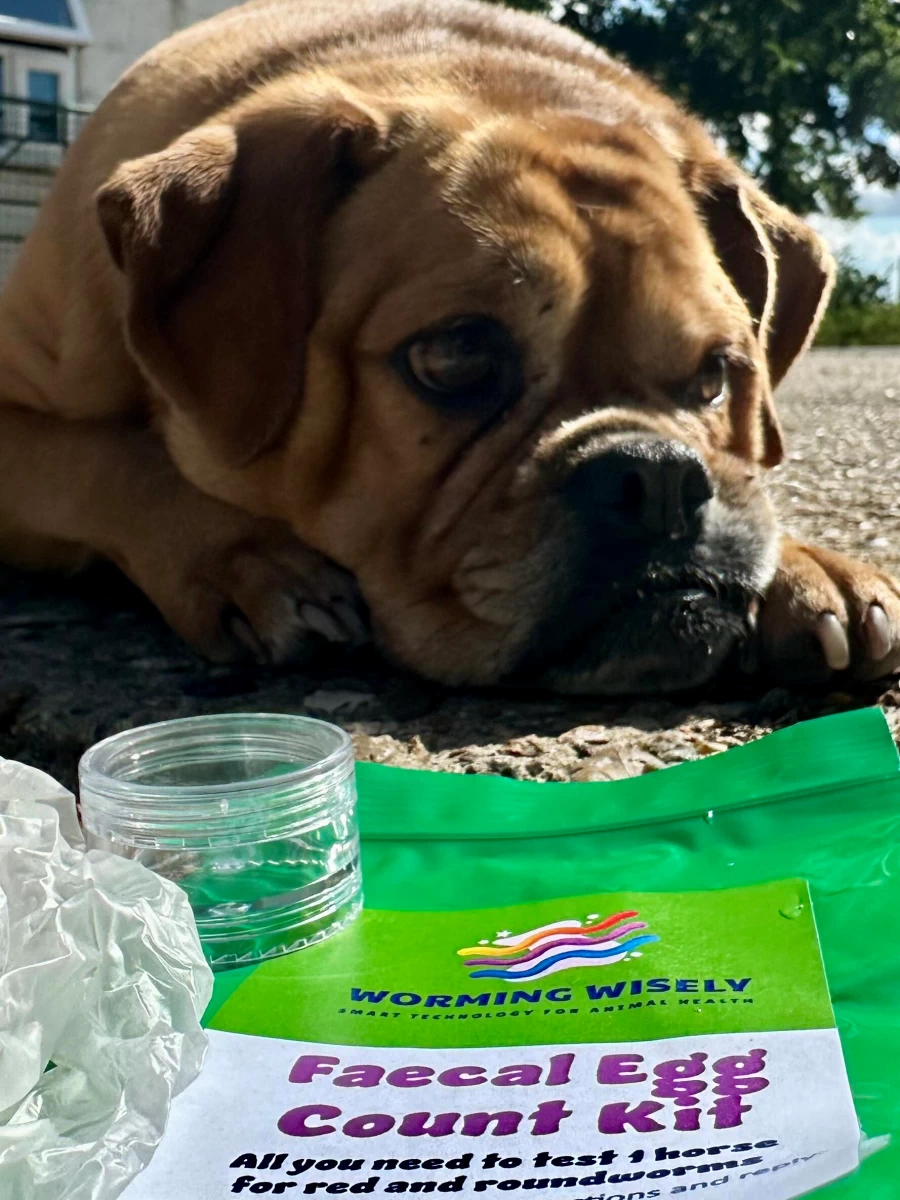
Faecal egg counts (FECs) measure the number and type of worm eggs in an animal’s faeces. It’s a simple, non-invasive test that tells you whether worming treatment is actually needed and how severe and what type the infection might be.
Many traditional worming routines rely on set dates or generic schedules. But research shows that in around 70% of faecal tests, no treatment is needed. That means animals are often wormed unnecessarily, putting their health at risk and contributing to resistance, similar to the negative effect of overuse of generic antibiotics in humans.
Faecal egg counts help you:
- Avoid unnecessary or mistimed treatments
- Target the right parasite with the right product
- Make informed decisions, not assumptions
- Contribute to a more sustainable, long term approach to animal care
It’s better for your animals. Better for your wallet. Better for the environment. And better for the future of parasite control.
Understanding Counts & Results
We make it simple!
Our process is designed to give you accurate information, fast — and to explain the results in a way that’s easy to understand.
1. Sample Collection
We can guide you through collecting samples. If you are in East Anglia you can use our postal service or we can come and collect samples for you.
2. On Site Weighing
We use a mobile weighbridge to get your animal’s accurate weight, because correct dosing starts here.

3. Smart Analysis
Using the latest VetQAS assured systems we identify and count the parasitic eggs in the sample. This gives accurate and reliable readings. We also use other systems appropriate to the tests that you need, including antibody testing for tapeworm.

4. Results & Advice
We can give you the results of FECs within 24 hours plus clear tailored advice on whether treatment is needed. We can share the results with your vet or we can advise you on which medications you need.
Smart technology for animal health
Our Mission
At Worming Wisely, our mission is simple: To improve animal health by making parasite control more precise, more personalised, and more sustainable.
We’re here to:
- Reduce unnecessary worming
- Help owners feel confident in their decisions
- Protect the effectiveness of wormers for future generations
- Deliver practical, science-backed advice that works in the real world
Whether you’re managing a single pet or a commercial herd, we believe in putting information — not assumptions — at the heart of animal care.
National Best Practise
Worming Wisely aligns with national best practice through CANTER FOR HORSES — the industry-led initiative addressing wormer resistance in horses. By following their evidence-based guidelines, Worming Wisely helps clients make sustainable choices that protect both equine health and the future of parasite control.
What is a parasite?
Parasites are unwelcome freeloaders — living off their host and often causing harm in the process. Internal parasites (also known as endoparasites), like roundworms and tapeworms, live inside the body, usually in the gut. External parasites (ectoparasites), such as fleas, ticks, and lice, live on the skin or coat. Whether they’re wriggling in the gut or clinging to fur, parasites can affect your animal’s health, comfort, and performance — which is why smart, science-led control matters.